Key Points to Consider When Managing Uric Acid
Understanding the Basics of Gout
Gout is a form of arthritis that results from elevated uric acid levels in the blood. When uric acid builds up, it can form sharp crystals in the joints, leading to intense pain and swelling. Managing this condition involves more than just taking a pill; it requires a thoughtful approach that considers medication, lifestyle habits, and dietary choices. Before committing to any treatment plan, it helps to review a few critical factors that can influence how well that plan works for you.
Every person's body responds differently, so what works for a friend or family member may not suit your situation. This is why checking a few key points before starting any regimen can save you time, money, and discomfort. Below are the main areas to examine, each with a practical reason for its importance.
Your Current Uric Acid Levels
The first thing to understand is where your uric acid levels stand. A simple blood test can tell you whether your levels are mildly elevated or significantly high. This number guides the intensity of treatment needed. If your levels are only slightly above normal, dietary adjustments and increased hydration might be enough. If they are very high, medication such as allopurinol or febuxostat may be necessary to lower uric acid production. Knowing your baseline helps you and your healthcare provider choose a realistic target.
Medication Options and Their Trade-Offs
Several medications are commonly prescribed for gout. Allopurinol works by reducing the amount of uric acid your body produces. It is often taken daily and can take weeks to show full effect. Colchicine is another option, typically used in short courses to calm flare-ups, but it can cause digestive upset in some people. NSAIDs such as ibuprofen or naproxen help with pain and inflammation during an attack, though long-term use may affect kidney function. Each medication has its own set of benefits and risks. Checking your kidney health and any other medications you take is essential before starting any new drug, as interactions can occur.
Dietary Changes That Support Treatment
What you eat plays a direct role in managing gout. Foods rich in purines, such as red meat, organ meats, and certain seafood, can raise uric acid levels. Reducing these foods can help your treatment work more effectively. At the same time, some foods may actively support lower uric acid. Cherries and cherry extract have been studied for their potential to reduce urate levels and inflammation. Including these in your diet, alongside plenty of water, can complement any medication you take. Staying well-hydrated helps your kidneys flush out excess uric acid, which is a simple but often overlooked step.
It is also worth noting that not all dietary advice applies to everyone. Some people find that dairy products or coffee trigger symptoms, while others do not. Keeping a food diary for a week or two can help you identify your personal triggers. This kind of self-monitoring, combined with professional guidance, makes your treatment plan more precise.
Hydration and Its Role in Flush
Water intake is one of the most straightforward ways to support gout treatment. When you are dehydrated, your kidneys hold onto uric acid instead of excreting it. This can make symptoms worse even if you are taking the right medication. Aim for enough water so that your urine is light-colored throughout the day. If you exercise or live in a warm climate, you may need more. Herbal teas and broths can also count, but sugary sodas and alcohol - especially beer - can trigger flares. Checking your hydration habits is a low-effort check that can have a noticeable impact.
Joint Inflammation and Overall Health
Gout does not only affect the big toe; it can strike any joint, including the ankles, knees, wrists, and fingers. The inflammation that comes with a flare can be severe, and it may take days or weeks to settle. If you have other health conditions such as diabetes or high blood pressure, managing inflammation becomes even more important. Some treatments for gout, like NSAIDs, can affect blood pressure or kidney function, so it is wise to review your overall health status with a doctor before starting them. A holistic view that includes your heart, kidneys, and joints will lead to a safer treatment plan.
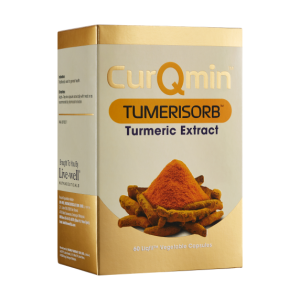
When considering supplements for joint health, it is worth looking at options that address inflammation more broadly. For example, certain targeted formulas that support joint comfort may be part of a longer-term strategy. One source of such products is livewell2u.com, which offers a range of dietary supplements designed for joint and general health support. Checking the ingredients of any supplement you consider is always a good idea, as quality and dosage vary widely.

The Timing and Duration of Treatment
Gout treatment is rarely a one-time fix. Some people need daily medication for months or years, while others manage with short courses during flare-ups. Knowing your expected timeline helps set realistic expectations. For instance, allopurinol often requires several weeks to lower uric acid enough to prevent attacks. During this period, you might still experience flares as your body adjusts. Colchicine, on the other hand, is usually taken only when symptoms appear. Discussing the expected duration with your healthcare provider helps you plan ahead and avoid frustration.
Another timing factor is the risk of rebound attacks. Rapidly lowering uric acid too quickly can actually trigger a flare. This is why most doctors start with a low dose of medication and gradually increase it. Patience and consistency matter more than speed. Tracking your symptoms and medication schedule in a simple notebook or app can help you and your doctor see what works.
Lifestyle Habits That Influence Gout
Beyond diet and medication, daily habits play a significant role. Stress, lack of sleep, and sudden changes in temperature can all contribute to flare-ups. Some people find that cold weather or dehydration after exercise triggers symptoms. Managing stress through gentle movement, adequate rest, and relaxation techniques can support your treatment. Also, if you are overweight, losing even a modest amount of weight can lower uric acid levels. Crash diets, however, can raise uric acid temporarily, so gradual weight loss is better.
Exercise is generally helpful, but intense workouts that cause muscle damage can increase uric acid. Moderate activities such as walking, swimming, or cycling are safer choices during a flare. Listening to your body and adjusting activity levels based on how you feel is a practical approach.
Checking for Underlying Conditions
Sometimes gout is a symptom of a deeper issue. Kidney disease, thyroid problems, and certain medications for high blood pressure or heart conditions can raise uric acid. Before starting any new treatment, it is wise to have a general health check. Blood tests for kidney function and thyroid markers can reveal whether your body is clearing uric acid properly. If an underlying condition is present, treating it may be more important than focusing solely on gout. This is where a coordinated approach between your primary doctor and any specialists you see becomes valuable.

For those looking for a convenient way to browse supplements that support joint health and overall wellness, online retailers like livewell2u.com provide a range of options. However, always consult a healthcare professional before adding any new supplement to your routine, especially if you are already taking medication for gout or other conditions.
Putting It All Together
Choosing a gout treatment is not a single decision but a series of informed checks. By examining your uric acid levels, medication options, diet, hydration, overall health, and lifestyle habits, you can build a plan that fits your life. No two people manage gout in exactly the same way, and that is okay. The goal is to reduce pain and inflammation while keeping your body healthy in the long run. Taking the time to check these points before starting any treatment gives you a stronger foundation for success.